
Marsh Green Primary School Flying Towards Our Dreams
Safeguarding
Report a Safeguarding Concern
If you have a concern about the safety or welfare of a child attending Marsh Green Primary School, please contact our Designated Safeguarding Lead immediately.
Designated Safeguarding Lead (DSL): Mrs Becky Langley
Telephone: 020 8270 4984
Email: DSL@marshgreen.bardaglea.org.uk
If you believe a child is at immediate risk of harm, contact the Police on 999 or Barking & Dagenham Children's Social Care.
Safety Within School
At Marsh Green Primary School, safeguarding children is our number one priority.
The school's Safeguarding and Child Protection Policy can be accessed via our website here.
We are committed to providing a safe and secure environment for children, staff and visitors and promoting a climate where children and adults will feel confident about sharing any concerns which they may have about their own safety or the well-being of others.
All adults working in this school (including staff, contractors, volunteers, visiting staff and students on placement) know that safeguarding is everyone’s responsibility. All adults are required to report any concerns they have about actual or suspected child abuse or neglect to the Designated Safeguarding Lead or Deputy Designated Safeguarding Lead.
The Designated Safeguarding Lead for Marsh Green Primary School is Mr Fitzpatrick:

The Deputy Designated Safeguarding Lead for Marsh Green Primary School is Mrs Langley:
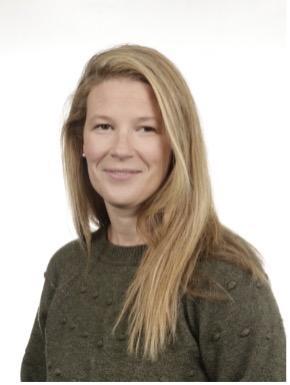
Mr Fitzpatrick and Mrs Langley are also on hand to speak to parents and carers, if you feel that you need advice with a range of issues, including:
- accommodation and housing issues
- mental health and wellbeing
- financial difficulties
- parenting skills
- drug and alcohol use
Please do not hesitate to contact the school on 0208 270 4984 to speak to Mr Fitzpatrick (or, in his absence, Mrs Langley) if there is a safeguarding issue that you wish to speak to the school about or if you feel that you would like some support with any of the issues identified above.
Community Resources
Family Hubs and Family Navigators
The borough’s three Family Hubs provide local support for families with children aged 0-19, who may need a bit of extra help.
Family Navigators are based in each Family Hub, located in Barking, Dagenham and Marks Gate. The Family Navigators offer a wide range of information, advice and guidance to families, including:.
-
Meeting your child’s changing needs.
-
Building positive family routines.
-
Finding local and specialist support.
-
Offering a range of parenting programmes.
-
Providing specialist support for children and young people with special educational needs and disabilities.
Visit the Borough's Family Hubs and Family Navigators pages to find out more.
Food banks
There are a number of food banks in Barking and Dagenham that can provide emergency food parcels to help people who are temporarily unable to provide for themselves.
Some of the food banks require people to obtain a voucher in order to receive a food parcel, so please ensure to check first if you do plan to visit one.
Full contact details and other information can be found here.
Please also note that, if you are pregnant or have a child under four years old, you could get Healthy Start vouchers to help with buying food and milk.
Help with debt
Is your debt decreasing each month or are you finding it increasing?
If it is increasing or you are struggling to make payments, then it might be worth seeking help via the Borough's dedicated online debt help resource.
Debt advice can also be sought from any of the following organisations:
- StepChange - you can access free expert debt advice through Step Change's online resource. You can also ring Step Change for help.
- Citizens Advice - you can access specific advice from Citizen's Advice on a range of topics, such as managing a mortgage, pensions and borrowing money.
- Money Helper - you can get free confidential advice in a variety of ways from Money Helper, including speaking to an adviser via webchat or whatsapp and completing their self-referral webform.
Online Safety
It's never easy to know how to keep your children safe when they aren't with you, and sometimes even when they are, if they are on their devices. Who are they talking to, what are they doing, are they okay? Click the following link to access helpful advice about different topics, related to keeping your children safe online.
AI technology is increasingly part of all our lives, so this year's Safer Internet Day theme is about how to use AI technology safely and responsibly. The UK Safer Internet Centre has published a set of top tips to help keep you and your children safe online, when using AI. These top tips can be accessed here.
Internet Matters publish very helpful step by step parental controls guides on their website, which help parents and carers to set up the right controls and privacy settings on the networks, gadgets, apps and sites children use, in order to provide them with a safer online experience.
https://www.internetmatters.org/parental-controls
Childline have a useful set of resources which you can use with your children to show them how to raise the awareness of the dangers of being online and to improve their online and mobile safety.
https://www.childline.org.uk/info-advice/bullying-abuse-safety/online-mobile-safety
CEOP (Child Exploitation and Online Protection Command) is a law enforcement agency, which is here to keep children and young people safe from sexual exploitation and abuse. Please click the link below if you are concerned about something that has happened to your child or another child, while they have been online.
https://www.ceop.police.uk/ceop-reporting
Report Harmful Content is a national reporting centre designed to assist everyone in reporting harmful content online. Harmful content is anything online which causes a person distress or harm. If you have a concern regarding content on your child’s social media account, then you can report it via the following link.
https://reportharmfulcontent.com
LGfL DigiSafe also provide a very useful resource for parents and carers, showing six top tips to keep children safe online. This handy guide can be accessed via the LGfL DigiSafe website here.
Keeping Children Safe Beyond the School Gates
The Prevent Duty
The Prevent Duty is a Government strategy designed to stop people becoming terrorists or supporting terrorist or extremist causes.
The Prevent Duty covers all types of terrorism and extremism, including the extreme right wing, violent Islamist groups and other causes.
The Prevent Duty was updated in September 2023. Here is a link to information regarding that update.
How does the Prevent Duty apply to schools?
Since July 2015, all schools (as well as other organisations) have a duty to safeguard children from radicalisation and extremism. This means we have a responsibility to protect children from extremist and violent views in the same way that we would protect them from racist abuse, substance abuse and bullying. Importantly, we can provide a safe place for pupils to discuss these issues, so that they better understand how to protect themselves.
Different schools will carry out the Prevent duty in different ways, depending on the age of the children and the needs of the community.
What does this mean in practice?
Many of the things that we already do in school to help children become positive, happy members of society also contribute to the Prevent Duty. These include:
- Exploring other cultures and religions and promoting diversity.
- Challenging prejudices and racist comments.
- Developing critical thinking skills and a strong, positive self-identity.
- Promoting the spiritual, moral, social and cultural development of pupils, as well as British values such as democracy and respect.
We will also protect children from the risk of radicalisation, for example by using filters on the internet to make sure they can’t access extremist and terrorist material and by vetting visitors who come into school to work with pupils.
How does The Prevent Duty relate to British Values?
The Government has defined extremism in the Prevent Duty strategy as: “vocal or active opposition to fundamental British Values, including democracy, the rule of law, individual liberty and mutual respect and tolerance of different faiths and beliefs."
At our school, we have been promoting British Values since 2014 and will continue to do so, as part of our strategy in support of the Prevent strategy. Click the following link to read our British Values statement.
https://www.marshgreenprimary.com/promoting-british-values
The Prevent Duty strategy is not just about discussing extremism itself, which may not be appropriate for younger children. It is also about teaching children values such as tolerance and mutual respect. We always ensure that any discussions are suitable for the age and maturity of the children involved.
KEY TERMS
Radicalisation refers to the process by which a person comes to support terrorism and extremist ideologies associated with terrorist groups.
Extremism is vocal or active opposition to fundamental British values, such as democracy, the rule of law, individual liberty, and mutual respect and tolerance of different faiths and beliefs. This also includes calling for the death of members of the armed forces.
Terrorism is an action that:
- Endangers or causes serious violence to a person/people.
- Causes serious damage to property; or
- Seriously interferes or disrupts an electronic system.
The use or threat of terrorism must be designed to influence the government or to intimidate the public and is made for the purpose of advancing a political, religious or ideological cause.
If you have any questions or concerns about the Prevent Duty and what it means for your child, please do not hesitate to contact the school on 0208 270 4984 to speak to Mr Fitzpatrick or Mrs Langley.
You will find more details about what we do as a school to prevent radicalisation in our Safeguarding and Child Protection Policy.
The law on leaving your child on their own
The law does not say an age when you can leave a child on their own, but it’s an offence to leave a child alone if it places them at risk.
Use your judgement on how mature your child is before you decide to leave them alone, for example at home or in a car.
The National Society for the Prevention of Cruelty to Children (NSPCC) says:
- children aged 12 or older should only be left alone for long periods of time when both the child feels safe and the parent feels they’re ready
- children under 12 are rarely mature enough to be left alone for long periods of time
- babies, toddlers and very young children should never be left alone
Parents can be prosecuted if they leave a child unsupervised ‘in a manner likely to cause unnecessary suffering or injury to health’.